Festival Season on the Road: Choosing Backpacks for Men Travel

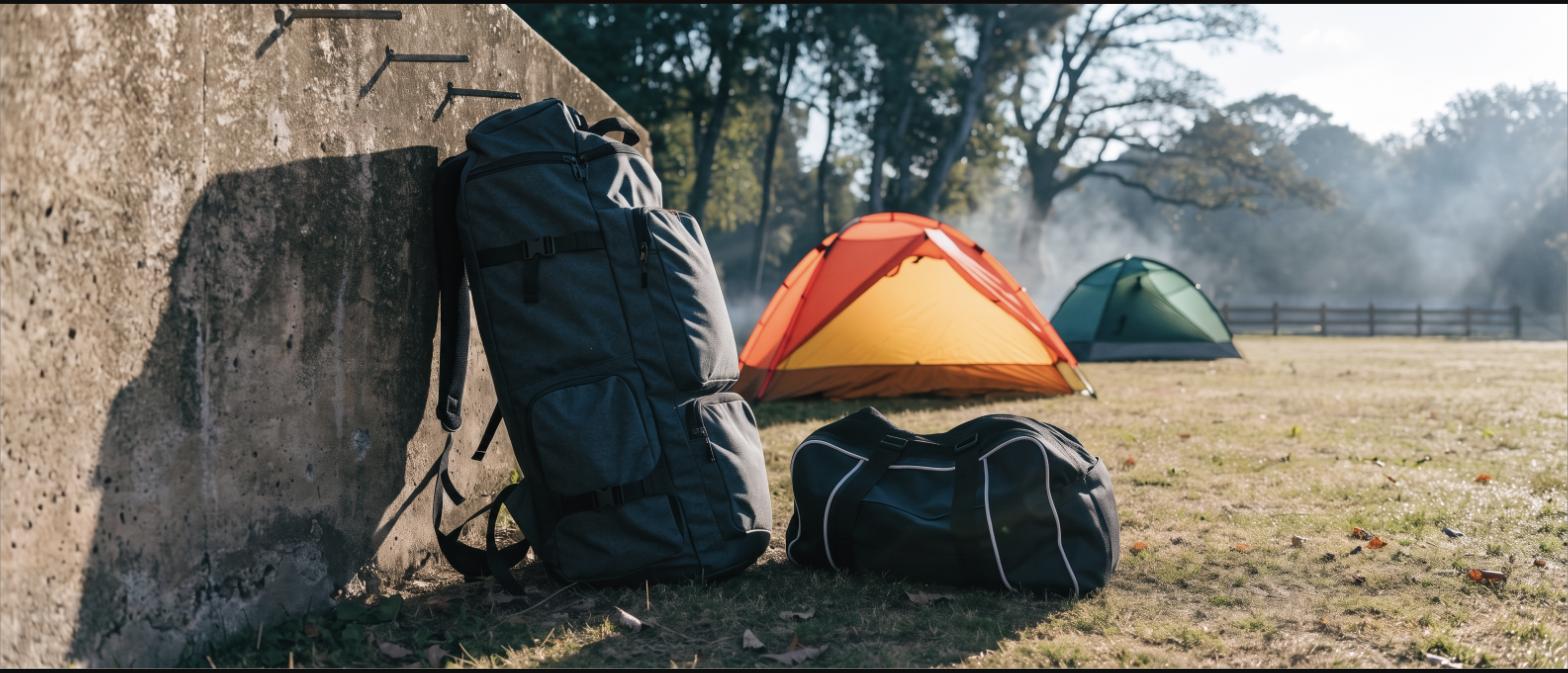
Travel backpack and duffel leaning against a wall at a festival campsite

Festival season stopped being a weekend thing a while ago. If you are chasing lineups across Europe, or stringing three dates together with cheap flights and a couchsurf in between, you are not really going to a festival. You are travelling, with a festival in the middle. And the bag you pick decides how much of that trip you enjoy.

Why a Backpack Beats a Suitcase Here

Wheels are excellent on airport tile and useless everywhere else. Festival ground is grass, mud, gravel and kerbs, and a rolling case on a campsite is a comedy sketch. You also spend a surprising amount of a festival trip carrying everything at once: off a coach, across a field, through a security line, up to a hostel on the fourth floor with no lift.

A backpack keeps your hands free and your weight centred, which matters more at three in the morning than it does in the shop.

Getting the Size Right
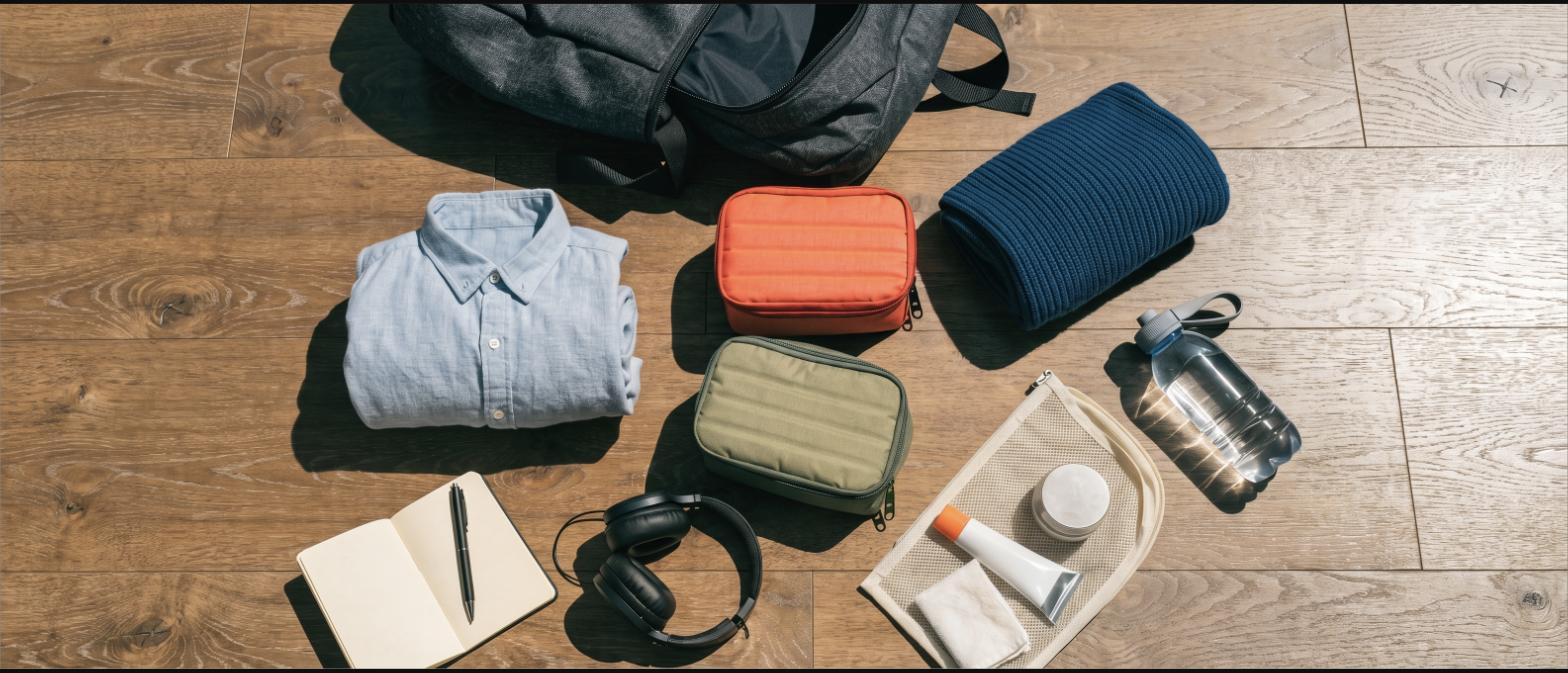
Contents of a travel backpack laid out on a wooden floor with packing cubes

This is where most people go wrong, in both directions. Somewhere between 35 and 45 litres covers a multi-week trip with a festival in it. Below about 30 litres you will be doing laundry constantly; above 45 and most airlines stop treating it as cabin baggage.

If you are flying budget carriers between dates, check the actual dimensions rather than the litre figure, because carriers enforce size, not volume. A soft-sided pack that squashes into a sizer will save you more money over a summer than almost any other gear decision.

What Actually Matters in the Build
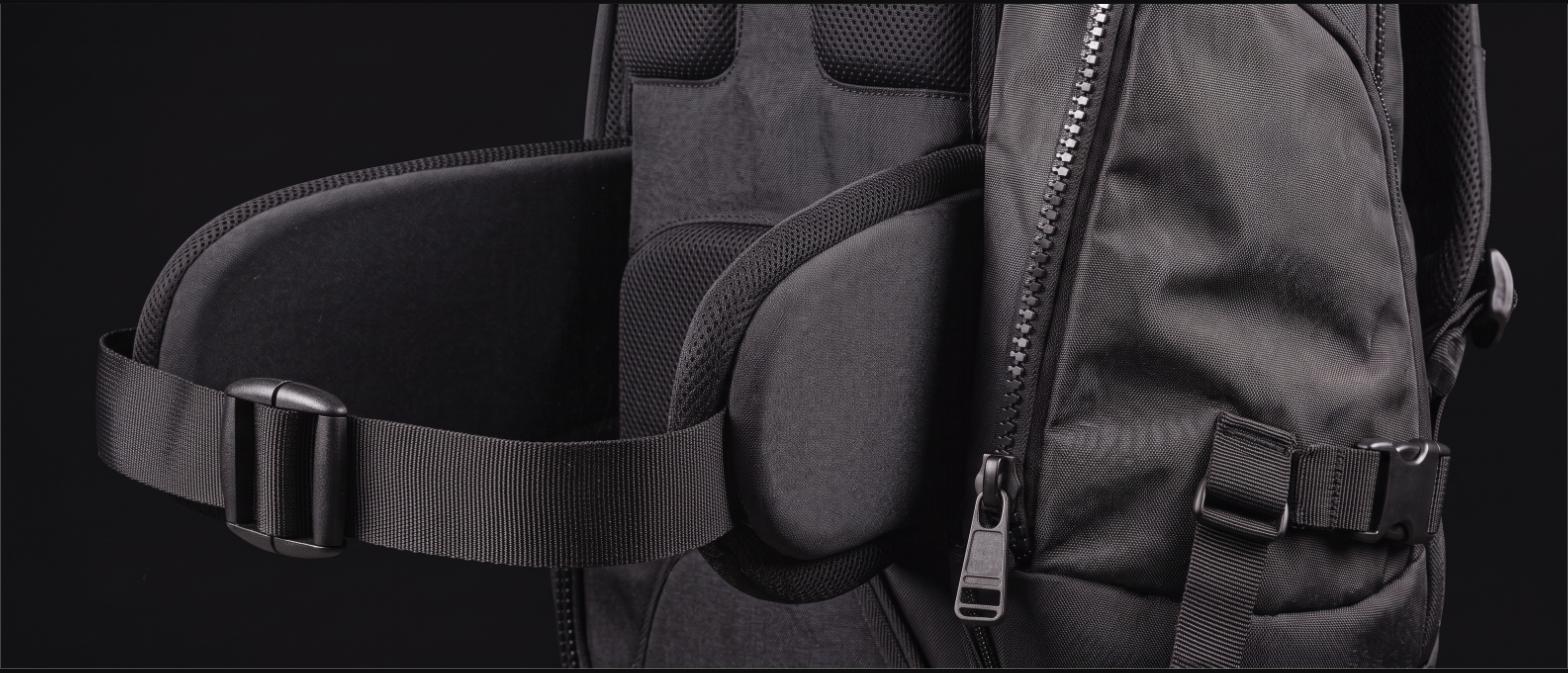
Close-up of a travel backpack shoulder harness, padded hip belt and heavy zipper

A proper hip belt is the single biggest comfort upgrade, because it moves the load off your shoulders and onto your hips. Plenty of good-looking travel packs skip it, and you feel that after twenty minutes.

After that: a clamshell opening that unzips flat like a suitcase, so you are not excavating to reach a charger; lockable zip pulls, which matter in hostels; a separate compartment for wet or filthy clothes, which after a muddy weekend is not optional; and water-resistant fabric with taped zips rather than a rain cover you will lose. A well-chosen pack from a range of backpacks for men travel use covers most of that list as standard.

Watch: how to pick the right travel bag
Watch: How to Pick the Right Travel Bag for YOU (YouTube)

Packing It for a Festival Run

Packing cubes are worth the small outlay, mostly because they let you pull out one cube at a campsite rather than tipping the bag onto wet grass. Keep a small daypack folded inside for the arena itself, since most festivals will not let a full-size pack through the gate anyway.

Heavy things go close to your spine and around waist height. Earplugs, charger and a rain shell go in the top or the hip pockets, because those are the four things you will want without taking the bag off.

Buy Once

A decent travel pack costs about the same as two tickets and lasts a decade. Given that the alternative is dragging a broken suitcase wheel across a field in the dark, it is not a difficult sum.

After the Bass Drops: The Warm-Light Ritual for the Off-Season

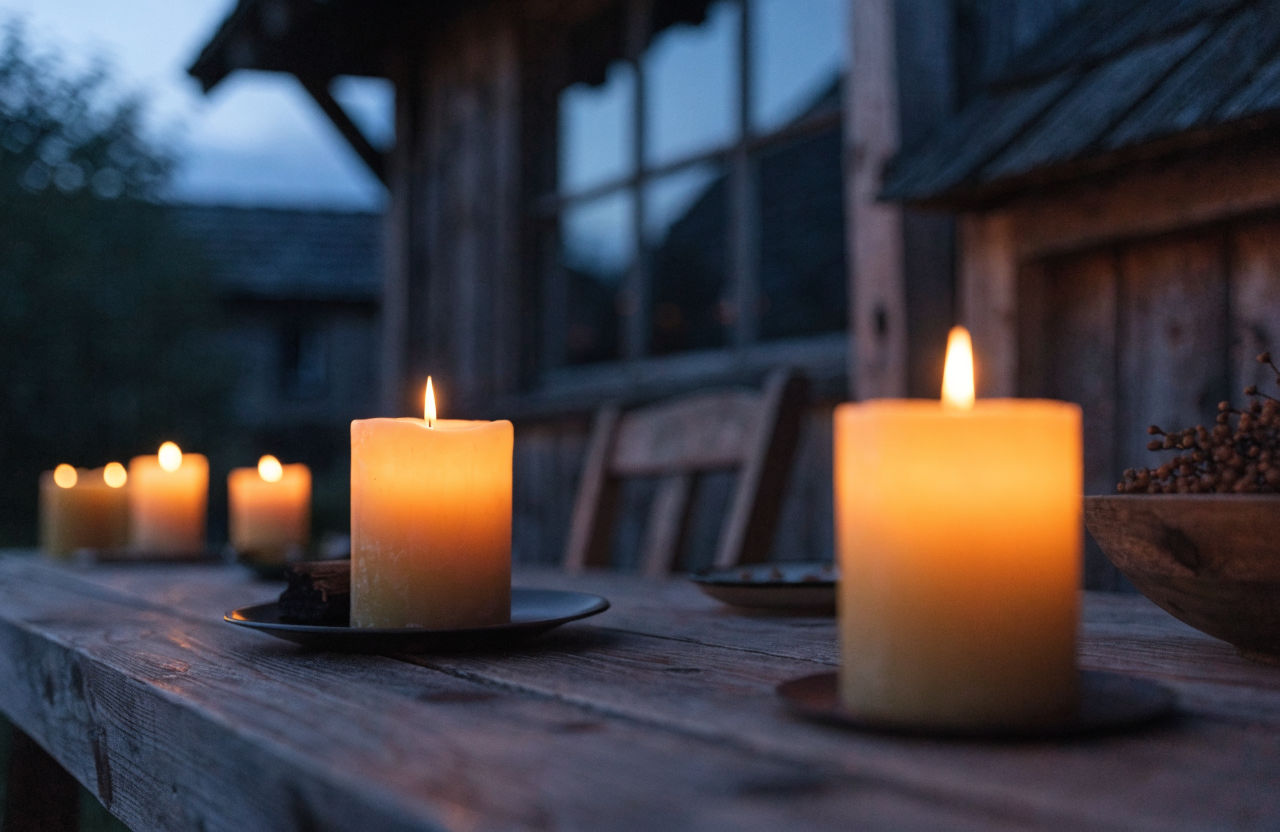
Warm beeswax candles glowing on a cozy table at dusk

Every devoted festival-goer knows the strange quiet that settles in once the season ends. The stages come down, the tour dates dry up, and the winter stretches out with no field to dance in and no lasers cutting the night. It is the off-season, and while nothing quite replaces the roar of a live set, there is a certain pleasure in swinging all the way to the other extreme: trading strobes and subwoofers for warm, still, natural light.

When the Festival Season Goes Quiet

The culture around electronic music has always been about atmosphere as much as sound. We obsess over the lighting rig, the visuals, the way a room feels when everything lines up. So it is no great leap to bring that same attention to ambiance indoors when the festivals pause for winter. The instinct to craft a mood does not switch off in December; it just looks for a smaller, quieter canvas.

For a lot of people, that canvas is candlelight, and there is a real difference in the material you choose. Natural beeswax christmas tree candles burn with a warm, golden glow and a faint honey scent, and unlike paraffin they give off no harsh smoke, which matters in a closed winter room. Their light is soft and living in a way an LED never manages, the analog counterpart to a season spent surrounded by screens and synthetic color.

If you have ever wanted to make your own, this short video shows how beeswax candles come together:

The Analog Answer to a Digital High

Close-up of hand-rolled beeswax candles with honeycomb texture

There is something fitting about an artist or a fan who lives inside digital sound reaching for the most analog light there is. A beeswax candle is about as far from a signal chain as you can get: no power, no code, just wax, wick, and flame. That contrast is exactly the point. After months of engineered sensory overload, a single honest flame on the table is a kind of reset, a way of letting the nervous system come down gently.

The sensory overlap is closer than it first appears. Festival culture is deeply about scent, warmth, and shared space, not just decibels, and a room full of natural candlelight hits many of the same notes at a lower volume. Gather a few friends from the circuit, put on a mellow ambient set, and let the candles do the lighting; you have essentially built a tiny, low-key afterparty for the season when the big ones are gone.

Setting a Scene Worth Coming Home To

Setting a good scene is a skill festival people already have in abundance. Cluster a few candles at different heights, keep the rest of the lighting low, and choose natural materials that feel warm rather than clinical. The same eye that judges a stage design can turn a plain winter living room into somewhere you actually want to spend a long, dark evening, no ticket required.

The season will turn again, the line-ups will be announced, and the fields will fill back up soon enough. Until then, there is no shame in embracing the quiet and lighting the room the old way. Trade the strobe for a steady flame for a few months, let the warm light do its slow work, and you may find the off-season becomes something you look forward to rather than merely endure.