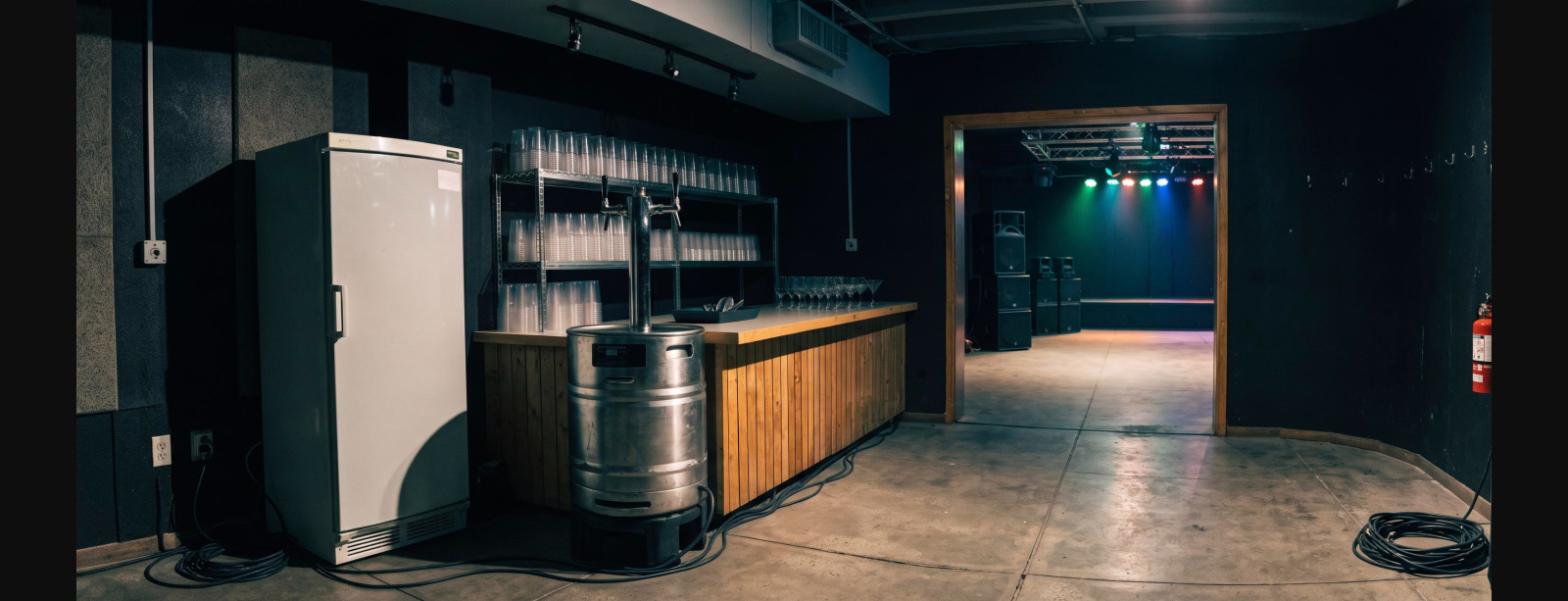
Anyone who has run a small room or a stage bar eventually asks the same question: why are we still selling warm cans out of a bin of melted ice? Draft is cheaper per serve, faster to pour, and it stops the floor filling with empties by midnight.
The answer is usually that somebody tried to take the wrong equipment outdoors. Draft dispensing is really two different problems depending on whether you have walls and mains power.
Indoors, It Is Straightforward
In a fixed venue with a permanent bar, a keg cooler is the obvious answer. It holds the keg at serving temperature continuously, the tower sits where the bartender needs it, and once it is dialled in nobody thinks about it again. For a club room, a cocktail bar, or a venue’s VIP area, the comparison pages for keg cooler units are the right place to start.
Two numbers matter. Beer wants to be around 38°F, and the gas sits around 10 to 12 psi for most ales and lagers. Get those right and most foam complaints disappear. The third variable is line length — too short a run and the beer arrives too fast and breaks out of solution in the glass.
Outdoors, It Usually Fails

This is where people lose money. A keg cooler is a refrigerator — it needs continuous mains power and it is designed to hold a cold keg cold, not to chill a warm one quickly. Put it in a marquee in August on generator power and you get a unit running flat out, warm beer, and a queue.
For a field, the tool is a jockey box: an insulated chest with stainless coils packed in ice, beer pushed through from kegs sitting outside it. No power required, it chills on the way to the tap rather than holding a whole keg cold, and it handles the thing an event actually demands — several hundred fast pours in a two-hour window.
The practical split is simple. Fixed location with power and a long season, buy the cooler. Touring, outdoor, or anything you have to strike at 2am, run jockey boxes.

Watch: Cold Plate Coolers vs Coil Coolers — Jockey Boxes Explained (YouTube)
The Bit Everyone Underestimates
Line cleaning. Beer lines need cleaning every couple of weeks, and the reason some venues pour noticeably better than others is almost never the beer — it is whether anyone owns that job. A neglected line will make good beer taste sour and no amount of pressure adjustment fixes it.
Also worth saying plainly: if you are serving the public, draft dispensing sits inside your licence and your local health code. Check what is required before you buy anything, because “we added taps” can change what your inspection looks like.
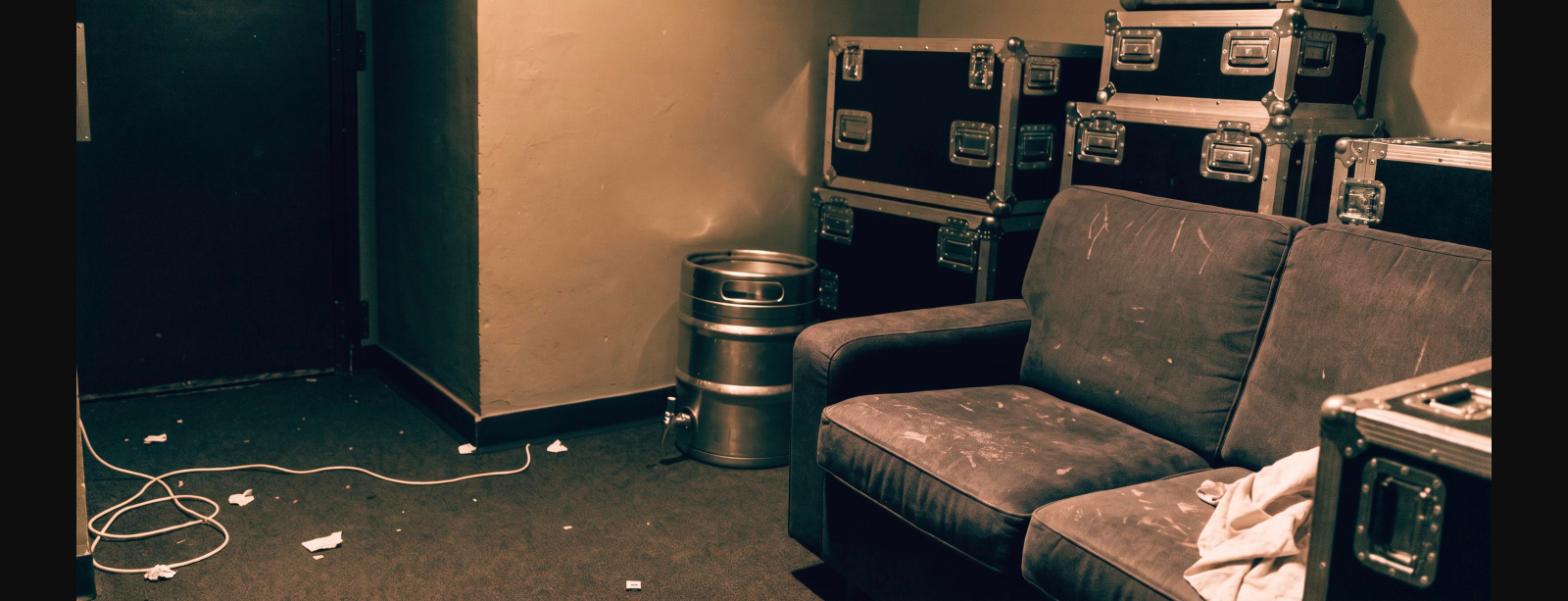
A backstage keg is the easy win. Hospitality riders ask for beer constantly, a small cooler in the green room is cheap compared to stocking bottles, and nobody is counting pours back there anyway.